Última actualización el August 20, 2026
When you are putting together a visual content strategy, the big question almost always comes down to two platforms: Pinterest and Instagram. On the surface, they might look like they are fighting for the exact same aesthetic-loving audience. But under the hood, their algorithms, user mindsets, and shopping behaviors could not be more different.
Understanding these differences won’t just save you hundreds of hours of frustration. It will help you double down on the platform that actually moves the needle for your business.
1. The Visual Dilemma
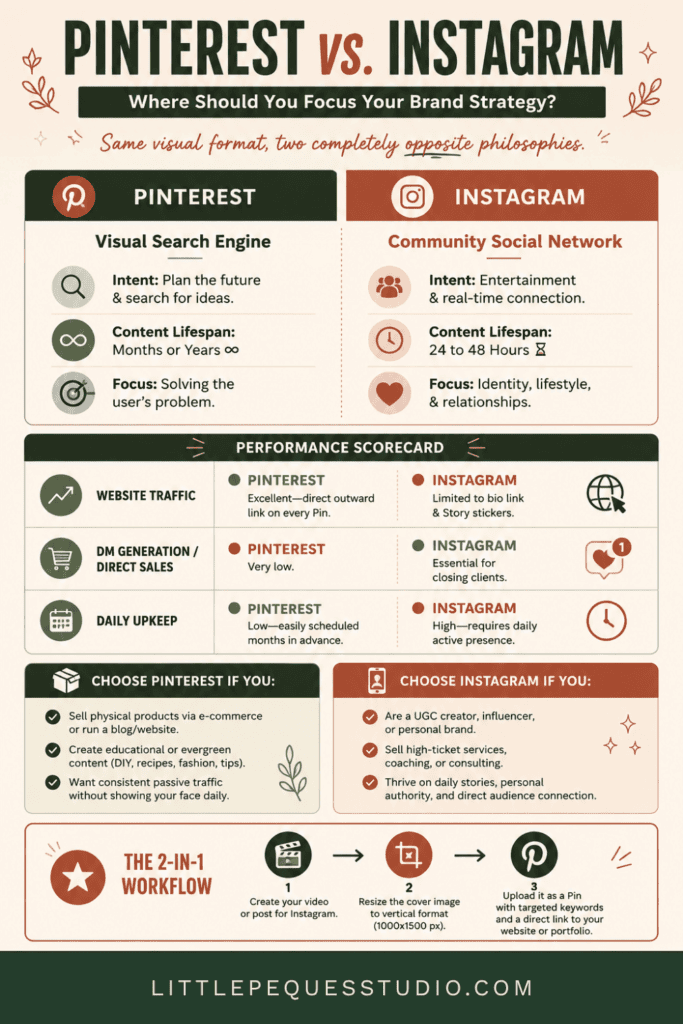
The biggest mistake creators and entrepreneurs make is treating Pinterest like just another social network. Sure, both platforms rely heavily on images and video, but their core purpose is completely different: Instagram is a fast-paced social network built for community, while Pinterest is a visual search engine.
When someone opens Instagram, they are looking to be entertained, catch up with friends, and see what their favorite creators or brands are doing right now.
When that same person opens Pinterest, they aren’t looking to chat with anyone. They have a planner’s mindset. They are actively searching for inspiration, ideas, or answers to a specific project down the road; whether that’s remodeling a bathroom, planning a wedding, finding dinner recipes, or fixing a skincare routine.
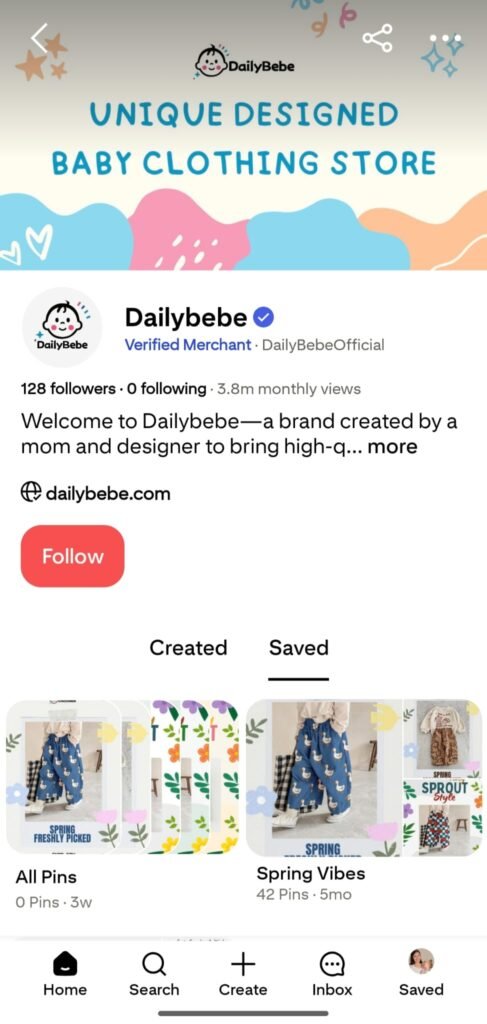
2. Pinterest: Long-Term Growth and Passive Traffic
Pinterest behaves much more like Google than a traditional social feed. Content isn’t served chronologically; it’s delivered based on search relevance, keywords, and user intent.
- User Intent: Planning for the future, discovering products, saving ideas to boards, and finding practical solutions.
- Content Lifespan: On standard social media, posts fade away in a matter of hours. On Pinterest, a single Pin can drive impressions, saves, and clicks for months (or even years) after you publish it. It is true evergreen content.
- Direct Web Traffic: Pinterest is hands-down the best platform for driving traffic off-site. Every Pin lets you attach a direct link to your blog, online store, portfolio, or YouTube channel, turning your profile into a constant lead-generation machine.
- Best For: Bloggers, e-commerce stores, educators, DIY tutorials, and visual niches like home decor, fashion, parenting, beauty, and wellness.
3. Instagram: Community, Connection, and Quick Wins
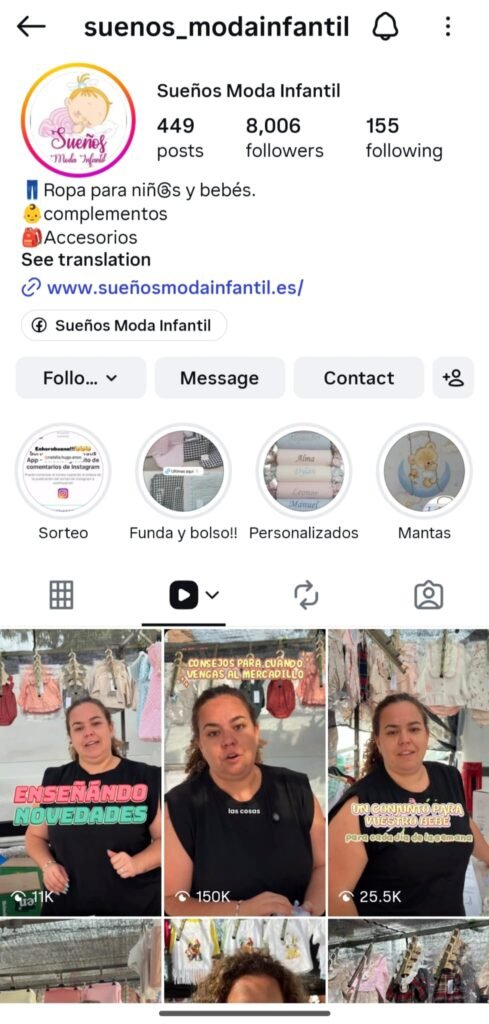
Instagram is where you build brand personality, trust, and real relationships. It’s a fast-moving ecosystem that rewards consistency, fresh content, and short-form video that hooks people in the moment.
- User Intent: Seeking entertainment, consuming bite-sized content, connecting with real people, and keeping up with trends.
- Content Lifespan: Fast and fleeting. A Reel or feed post usually hits its peak engagement within the first 24 to 48 hours. After that, organic reach drops significantly.
- Building Trust and Community: Through daily Stories, interactive Reels, and DMs, Instagram is unbeatable for building that essential know, like, and trust factor. Conversions here happen because people feel connected to you.
- Best For: UGC creators, personal brands, service providers, short-term brand sponsorships, and businesses that close sales through direct conversation.
4. Quick Comparison Breakdown
| Feature | ||
| Platform Nature | Visual search engine & discovery | Social network & community hub |
| User Mindset | Planning ahead & solving a problem | Getting entertained & connecting today |
| Content Lifespan | Months or years (compounding growth) | 24 to 48 hours |
| Website Traffic | High (clickable links on every Pin) | Limited (bio link & Story stickers) |
| DMs & Engagement | Very low to non-existent | High (essential for building community) |
| Daily Maintenance | Low (easy to batch and schedule ahead) | High (requires daily stories and active engagement) |
5. Which One Should You Focus On?
There’s no one-size-fits-all winner here. It really comes down to how your business makes money and how you prefer to work:
- Double down on Pinterest if: Your primary goal is driving steady traffic to a website or blog, selling physical/digital products online, or if you want to build a content strategy that works on autopilot without having to show your face on camera every single day.
- Double down on Instagram if: You are a UGC creator, personal brand, or coach, sell high-ticket services, rely on brand deals, or run a business model built on authority, personality, and direct messaging.
6. The Hybrid Strategy: Work Smarter, Not Harder
Here is the best part: you don’t actually have to pick just one. The smartest way to handle this is by building a simple workflow where both platforms support each other without doubling your workload:
- Create your primary piece of content on Instagram: Shoot an educational Reel, a product demo, or a quick tip video.
- Repurpose it for Pinterest: Take that same video (or design a vertical cover image), optimize the title and description with searchable keywords, and link it straight back to your website, shop, or portfolio.
This way, you get the immediate engagement and relationship-building perks of Instagram, while letting Pinterest turn that same piece of content into a long-term traffic asset.
Final Thoughts
Both Pinterest and Instagram are incredible tools, but they play completely different roles in your funnel. Instagram handles the day-to-day connection and social proof, while Pinterest acts like an ongoing magnet bringing brand-new people to your door.
Which of the two are you using the most right now, and which one has given you the best returns? I’d love to hear your experience in the comments!