
Última actualización el September 12, 2026
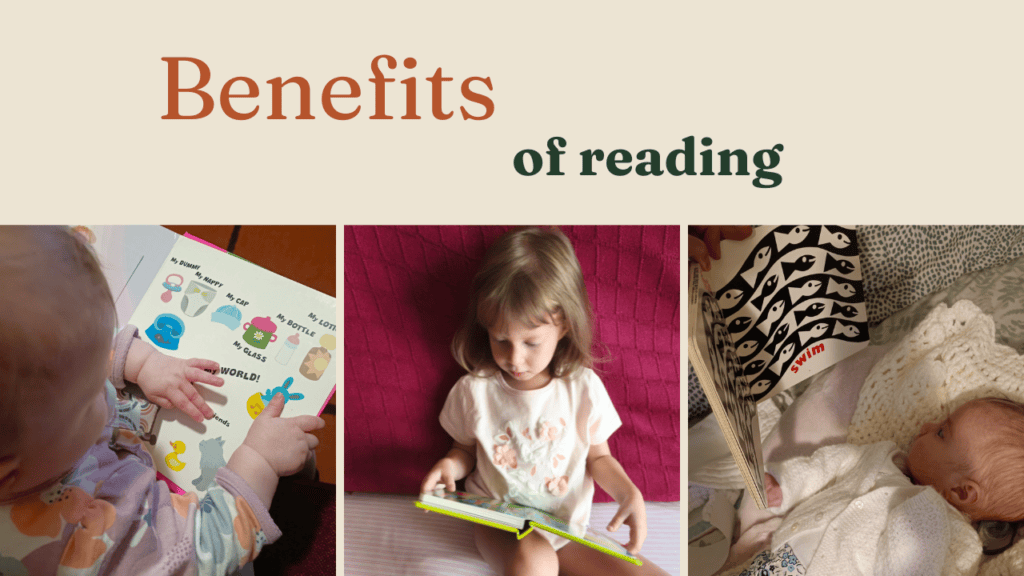
If there’s one activity that can completely transform your daily routine with your little one, it’s cozying up with a good book. We often think reading is something that kicks off once kids start decoding words in school, but honestly? Children’s books can spark joy, boost brain development, and build deep emotional bonds way before they’re even born.
For me, reading wasn’t just a developmental tool; it was our ultimate haven. When my daughter Leilah was born, we were living in the US, and literally everything around us was in English. It was super important to me that she picked up Spanish vocabulary and grew up fully understanding and speaking my native language. Reading together every single day became the easiest, most natural, and fun way to share my roots, pass down words, and instill a love for our language. It never felt like “studying”; it just felt like pure magic and quality play.
Whether you’ve got a fresh newborn or a full-on toddler, I want to share why reading is hands down the best time investment you can make for your child, how to start during their first year, how to actually build the habit, and my favorite book picks!
Why Reading to Babies (0–1 Year… & From the Womb!) is a Total Game-Changer
Those early years are crucial for brain development; babies are literal little sponges! While it’s never too late to start, the sooner we tie books to cozy family snuggles, the easier it is for them to associate reading with good vibes. And science proves it: when learning is fueled by emotion, it sticks way better!
1. Bonding right from the bump
Long before your baby’s ears are fully developed, they can feel the soothing vibrations of your voice in the womb when you read, sing, or laugh. By week 23 of pregnancy, they start recognizing your voice and the voices of people close to you, giving them a huge sense of safety, warmth, and belonging before they even arrive.
2. Rhythm as a calming superpower
Your heartbeat creates a steady rhythm inside the womb, which is why babies are naturally drawn to rhythmic sounds. The flow of nursery rhymes, simple stories, and lullabies taps right into that cozy memory of the uterus, insta-soothing them. Reading out loud gives your baby a sense of security and calms their little world.
3. A full-on sensory experience
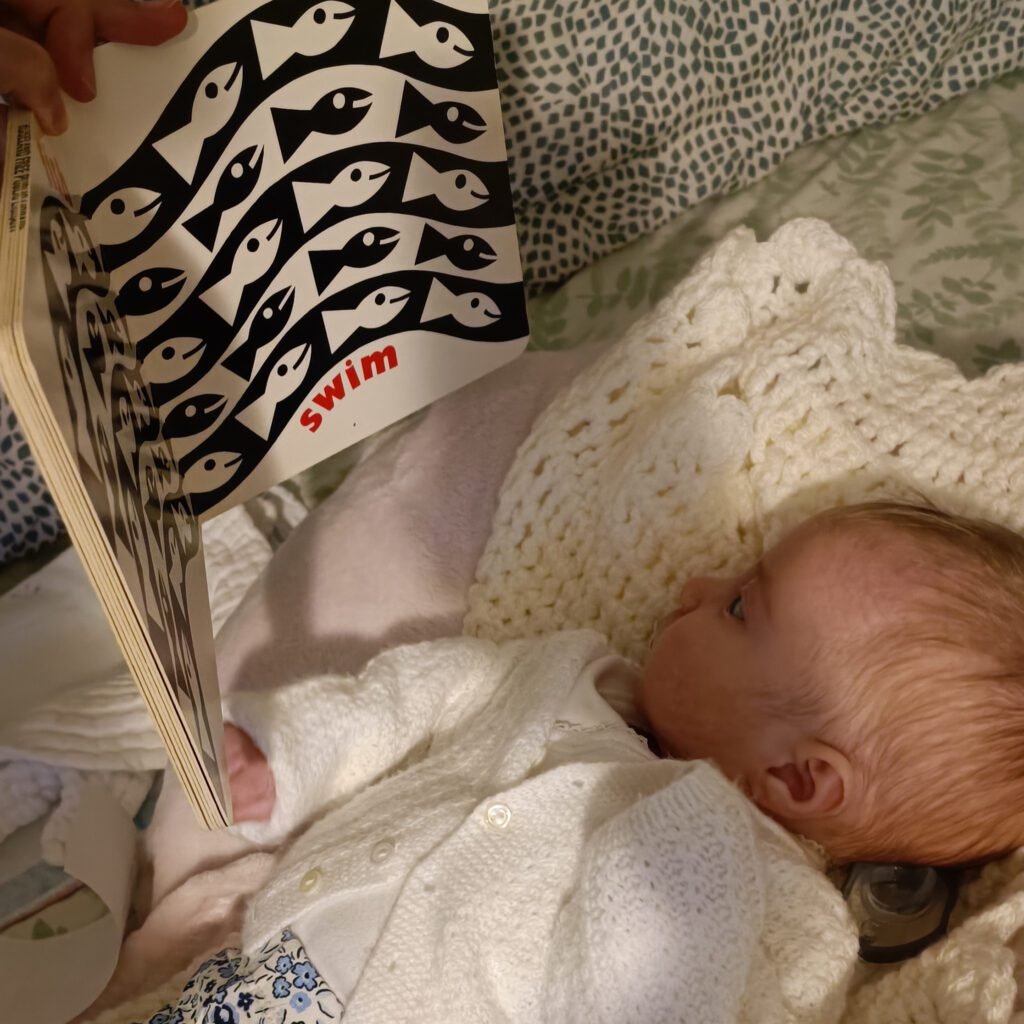
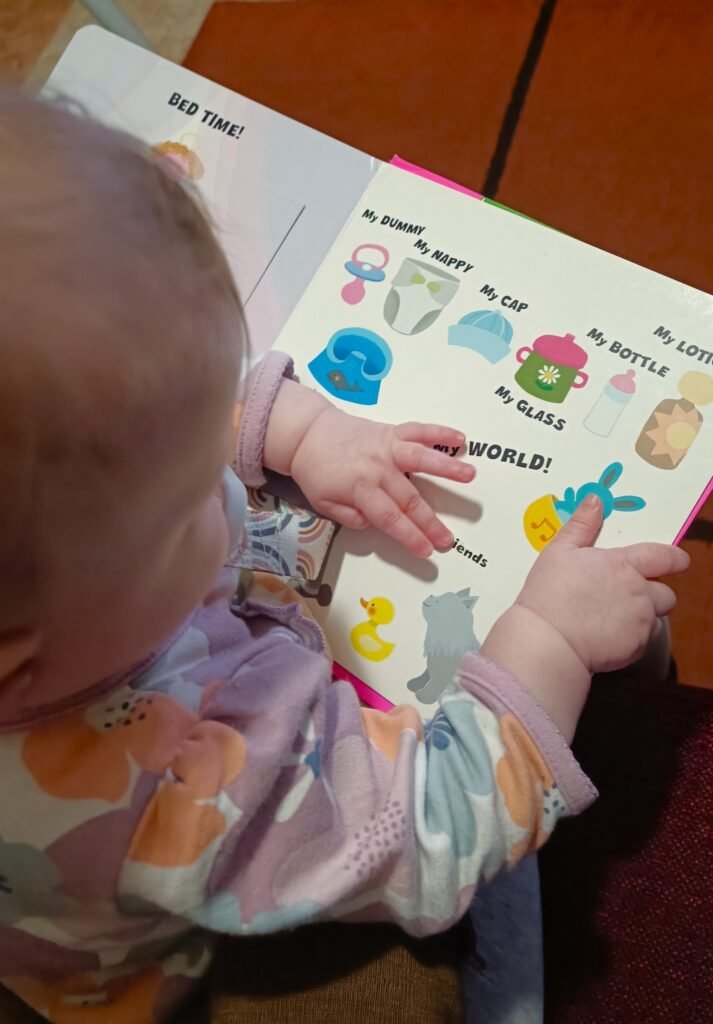
Books for 0-to-1-year-olds are made to be touched, felt, squished, and heard! High contrasts, crinkly textures, felt flaps, catchy rhymes, and funny sound effects turn storytime into a hands-on sensory playground that strengthens your bond.
4. Brain power, focus & memory perks
Reading from day one builds key neural connections, lengthens attention spans, and sharpens memory. When you read the same beloved book over and over, you’ll notice them staying focused longer and practically memorizing the pages.
5. Vocabulary explosions & emotional intelligence
With every turned page, your baby soaks up new words that lay the foundation for language and future reading skills. Plus, their “mirror neurons” fire up as they watch your facial expressions, tone changes, and gestures, helping them understand and process big emotions.
6. Unlocking endless imagination
Opening a book opens up a world of adventure and fun. Starting early builds an organic love for reading that will save you so much hassle down the road when they’re older!
Reading from 0 to 12 Months: How to Make it Work
During their first year, babies aren’t sitting still for complex plotlines; they’re exploring books with all five senses (yep, including their mouths!). Here is a quick breakdown by stage:
- 0 to 4 Months — High-Contrast Black & White Books: Newborn vision is super blurry, and they only catch high-contrast shades (black, white, and red). Books with bold geometric patterns or simple face illustrations help train their eye focus (Think: “Hello, Baby” or high-contrast flashcards).
- 3 to 8 Months — Soft Cloth & Sensory Books: At this stage, everything goes straight to the mouth and hands are exploring like crazy. Machine-washable cloth books with teether tags, baby-safe mirrors, and crinkly pages are your best friends (Think: soft fabric flap books or bath books).
- 6 to 12 Months — Felt Flap Books: Babies love playing peek-a-boo. Regular paper flaps get ripped off in 2 seconds flat, but felt flaps are tear-proof, super soft, and easy for tiny fingers to lift (Think: “Where’s Mr Lion?” or Usborne felt-flap series).
- 8 to 12 Months — Sound & Touch Button Books: Around this time, they figure out cause and effect (pushing a button = hearing a cool sound!). Look for soft touch-button books with real animal sounds or soothing classical music.
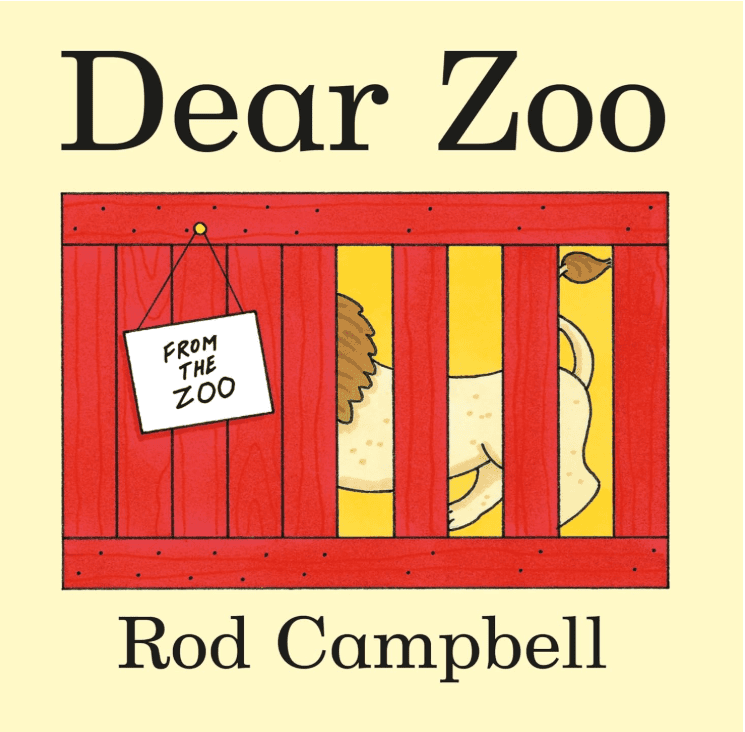
- 9 to 12 Months — Sturdy Board Books with Rhyme & Rhythm: Thick, practically indestructible pages with short, rhythmic text. Reading these almost like a song keeps them hooked (Think: “Dear Zoo” or rhyming board books).
💡 Mom Pro-Tip: Don’t stress about reading a book from cover to cover! Let your baby chew on it, turn pages backward, or stare at a single picture for 5 minutes. The main goal right now is making them associate books with play, your loving voice, and snuggles.
5 Real-Talk Tips to Make Reading a Daily Habit
If you’re wondering how to fit storytime into your chaotic day, or if your kiddo currently shuns books, here are 5 simple tips to shift the mood:
- Lead by example (let them catch you reading): Kids copy what they see. If they see you enjoying a book, magazine, or article, they’ll naturally realize reading is a chill, everyday thing.
- Pair storytime with cozy vibes: Set up a mini reading nook or weave a book into your bedtime routine. When storytime feels like a warm hug instead of a chore, you win.
- Keep books at eye level: Store books where your toddler can actually reach them; with the covers facing out on low shelves or in floor baskets so they can grab whatever catches their eye.
- Let them read whatever they want: If your kid isn’t into classic storybooks and wants comics, dinosaur encyclopedias, or toy catalogs, LET THEM! Reading is reading. Don’t judge the material; a love for reading starts with what they are obsessed with.
- Get silly and interactive: Use funny voices, switch up your pitch, point at pictures, ask goofy questions (“Where’s the dog hiding?”), and let them turn the pages. Make storytime a two-way conversation.
10 Must-Have Book Recommendations (5 Spanish & 5 English)
Whether you’re raising a bilingual kiddo, wanting to teach a second language, or just looking to stack your home library, here are 10 total gems:
5 Spanish Gems
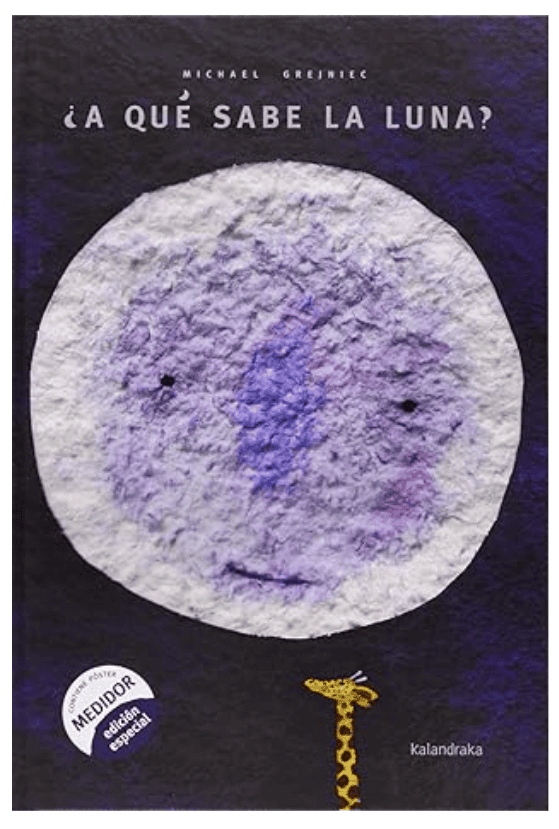
A qué sabe la luna (Michael Grejniec): A beautiful story about teamwork where animals stack on top of each other to take a bite out of the moon. The repetitive Spanish phrasing is gold for vocabulary building.
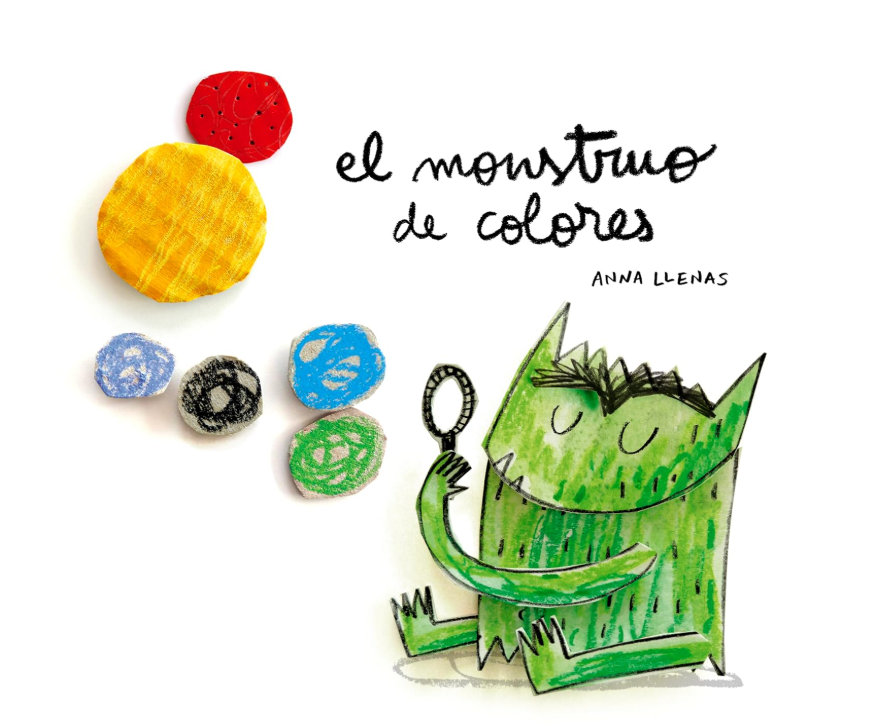
El monstruo de colores (Anna Llenas): The go-to book for emotional regulation. Using simple color associations, it helps toddlers identify feelings like joy, sadness, anger, fear, and calm in Spanish.
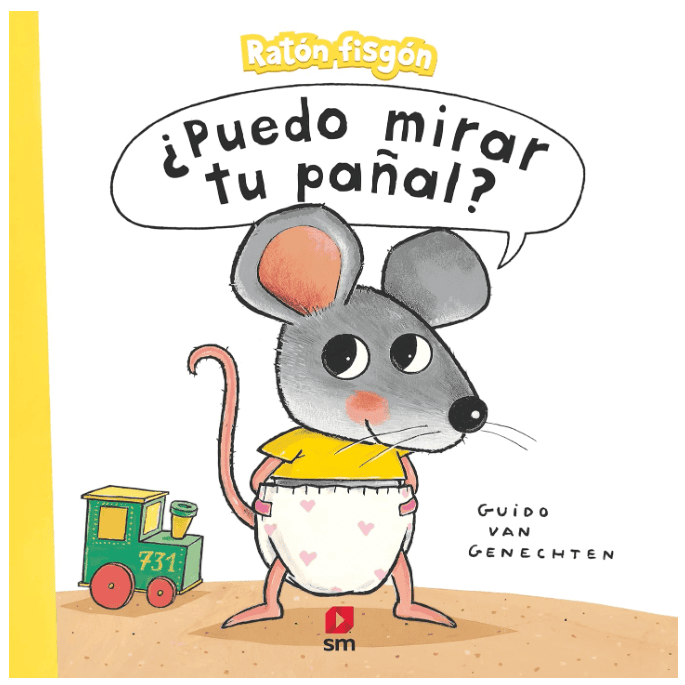
¿Puedo mirar tu pañal? (Guido van Genechten): HILARIOUS for the potty-training phase. A curious little mouse wants to peek inside all his animal friends’ diapers. The flaps will have your kid cracking up.
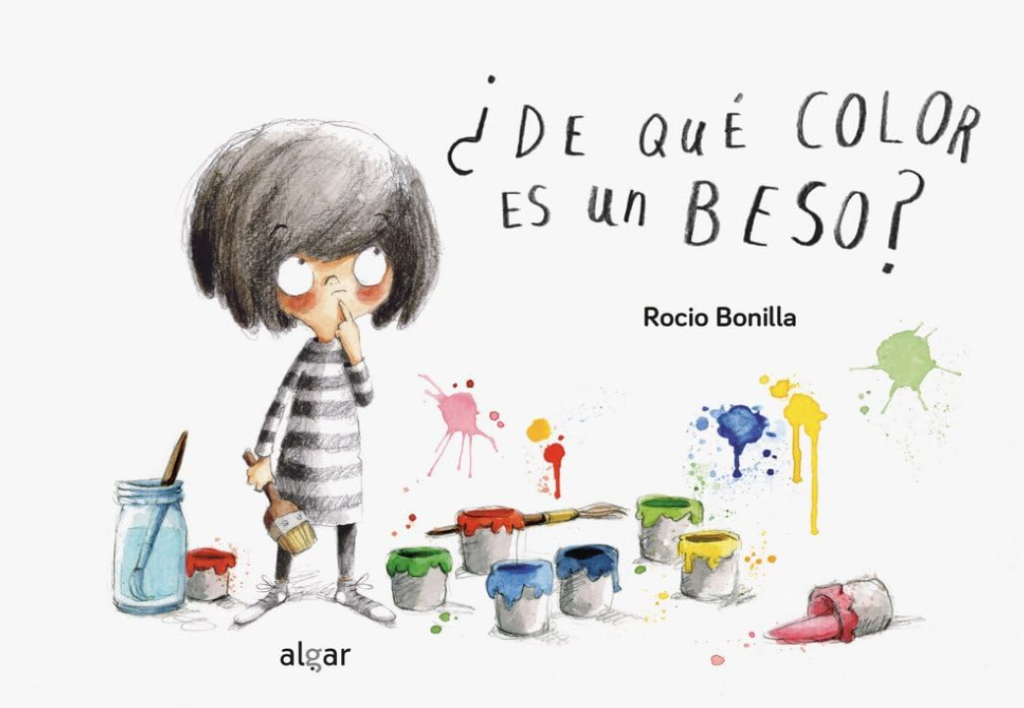
De qué color es un beso (Rocío Bonilla): A gorgeous story about feelings and art. Minimoni loves painting everything, but realizes she’s never painted a kiss. It’s a sweet journey through colors and self-expression.
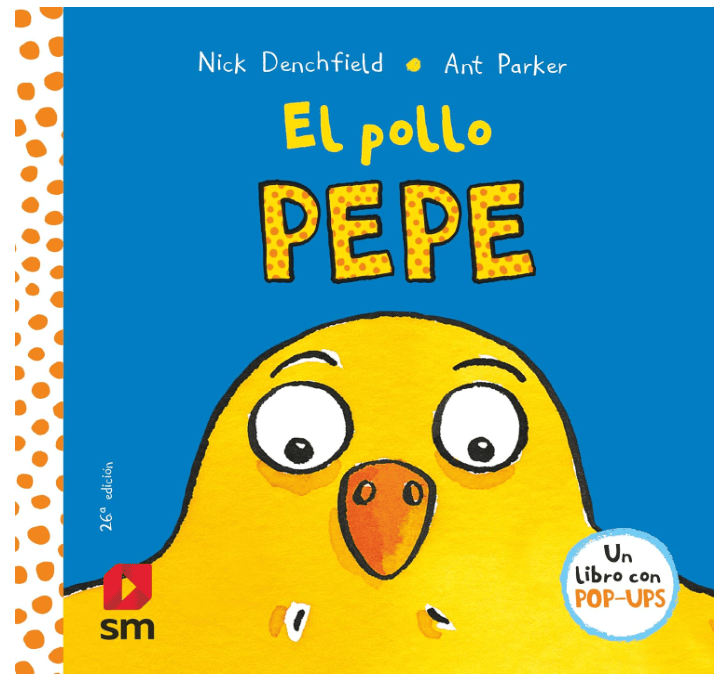
El pollo Pepe (Nick Denchfield): The undisputed king for 1-to-3-year-olds. Super simple pop-ups feature a cheeky little chick who eats ton of food to grow big and strong.
5 English Favorites
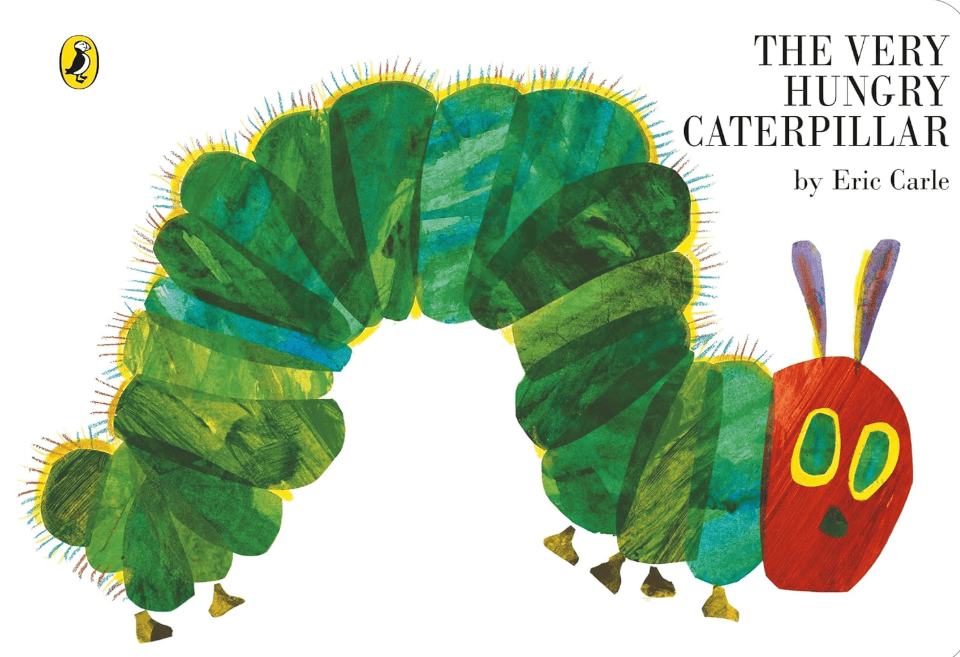
The Very Hungry Caterpillar (Eric Carle): An absolute staple. The fun die-cut holes and vibrant art make it amazing for learning days of the week, numbers, food names, and the butterfly lifecycle in English.
Dear Zoo (Rod Campbell): The ultimate lift-the-flap classic. A kid writes to the zoo for a pet and gets sent all kinds of crazy animals. Perfect for teaching animal names and adjectives.
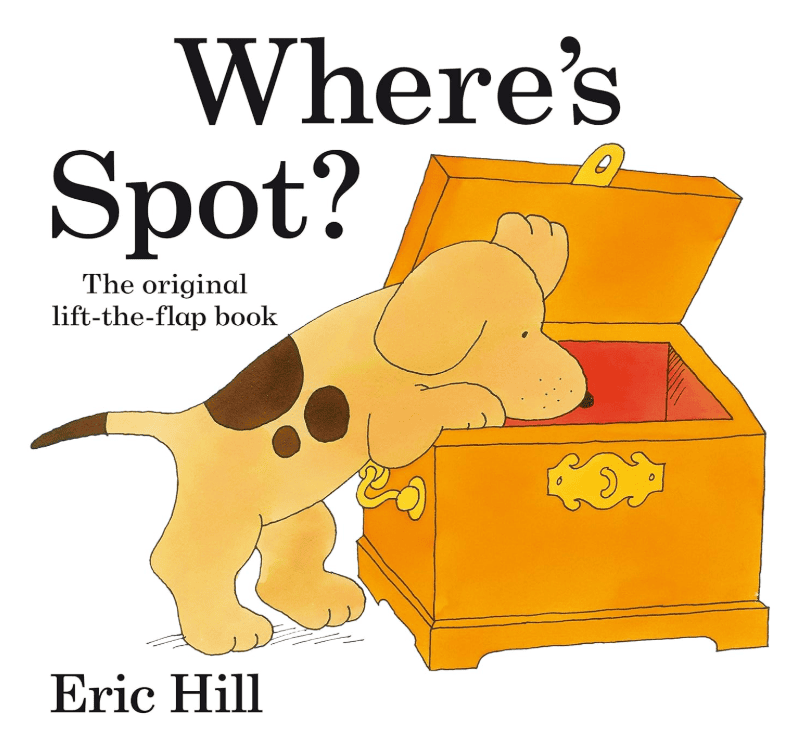
Where’s Spot? (Eric Hill): Such a sweet interactive hunt. Sally the dog searches all over the house for her puppy Spot. Great for practicing prepositions (under, inside, behind) and household words.
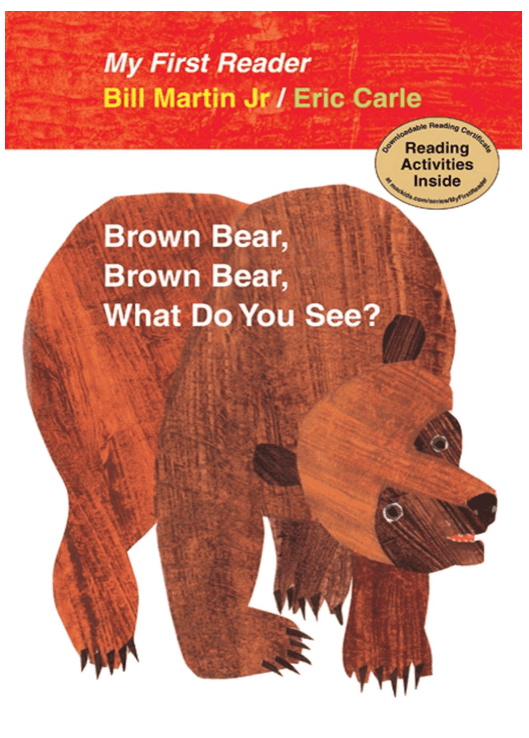
Brown Bear, Brown Bear, What Do You See? (Bill Martin Jr. & Eric Carle): The rhythmic, repetitive chant in this book makes learning colors and animals so effortless, it practically sings itself.
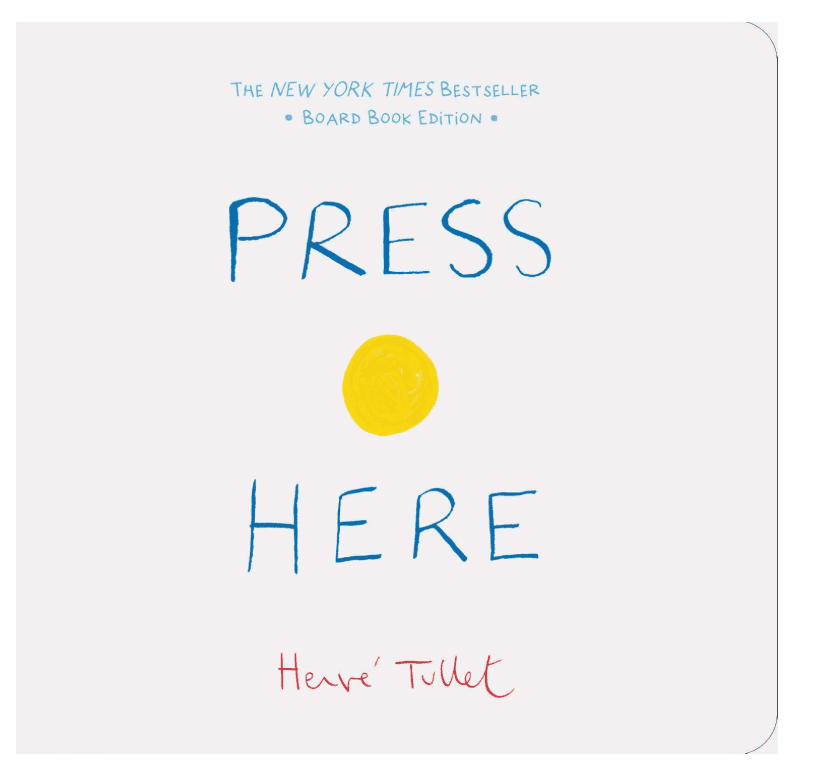
Press Here (Hervé Tullet): Pure magic without any screens or batteries. Simple instructions (“Press here”, “Shake the book”, “Blow on the dots”) turn the pages into a hands-on game kids obsess over.
Crack open a book every day, cuddle your little one tight, and soak in the magic of watching them grow up surrounded by stories, giggles, and sweet memories. 🤍
What’s your kiddo’s current favorite bedtime story? Drop it in the comments so we can add it to our reading list!